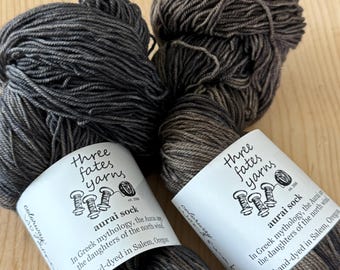
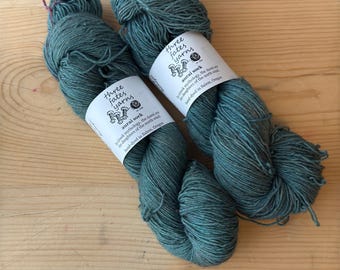
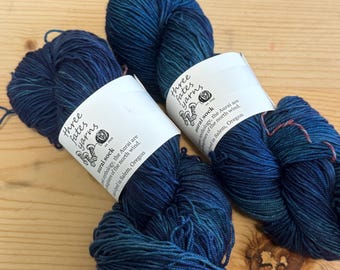
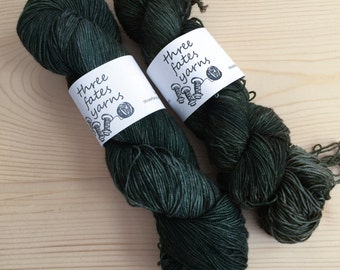
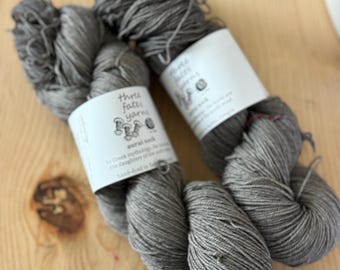
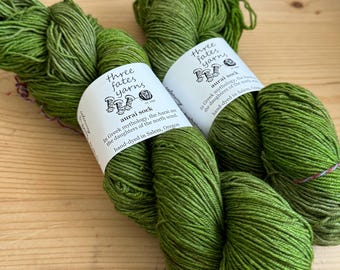
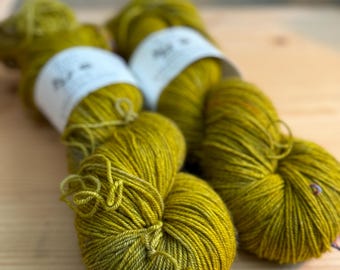
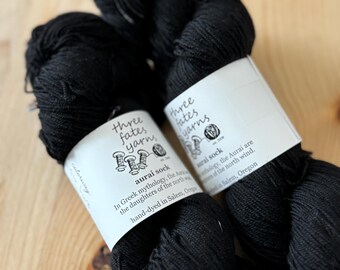





Hand dyed yarns for knitters and other crafters
As the daughter of two retired artists, I’ve always had a life-long obsession with color and an on-again off-again relationship with crafts. I've been a potter, a paper maker and a book binder, but through all of these crafts, I’ve knit.
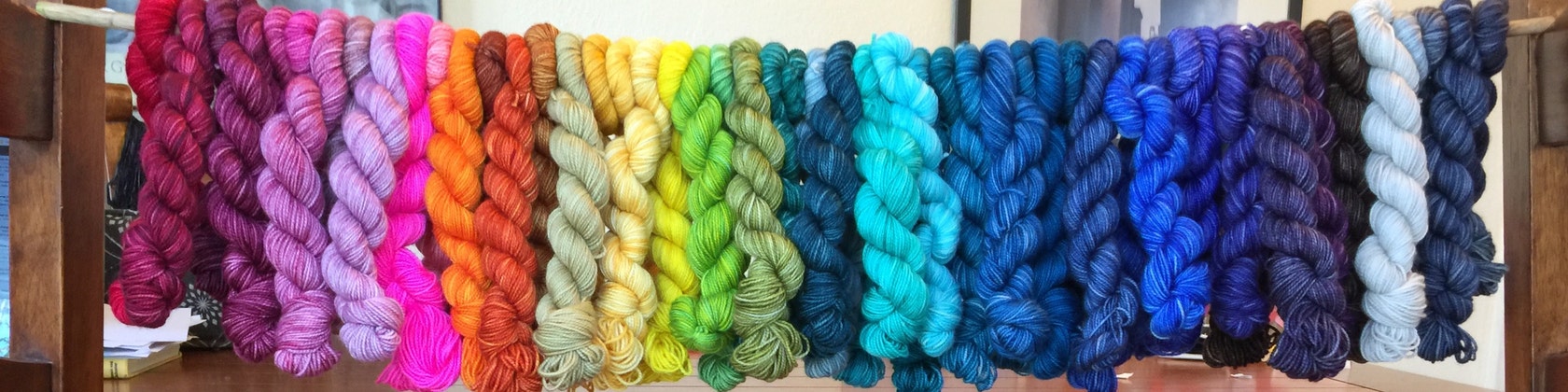
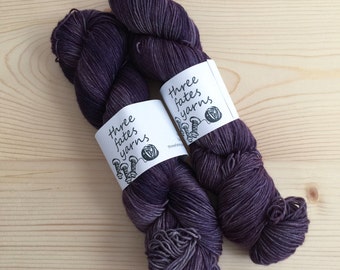
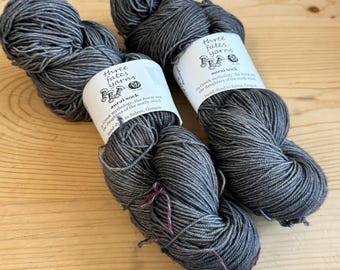
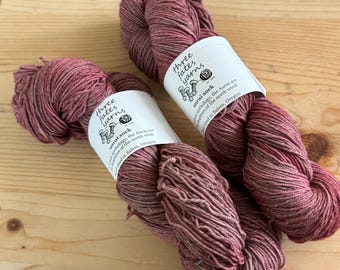
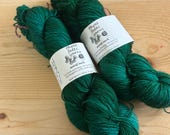
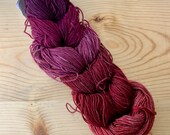
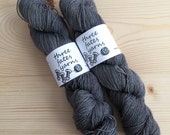
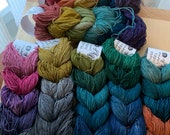
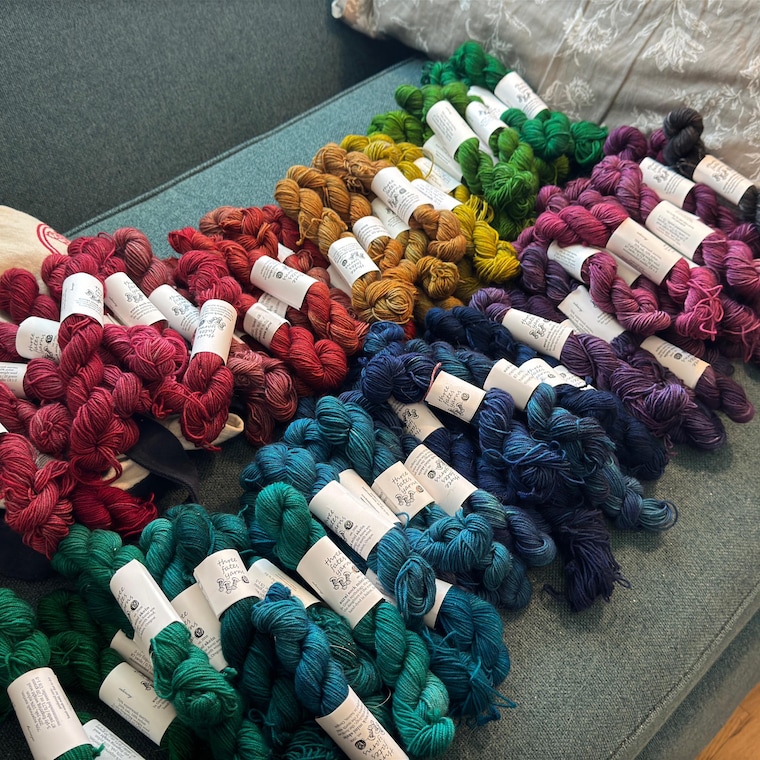
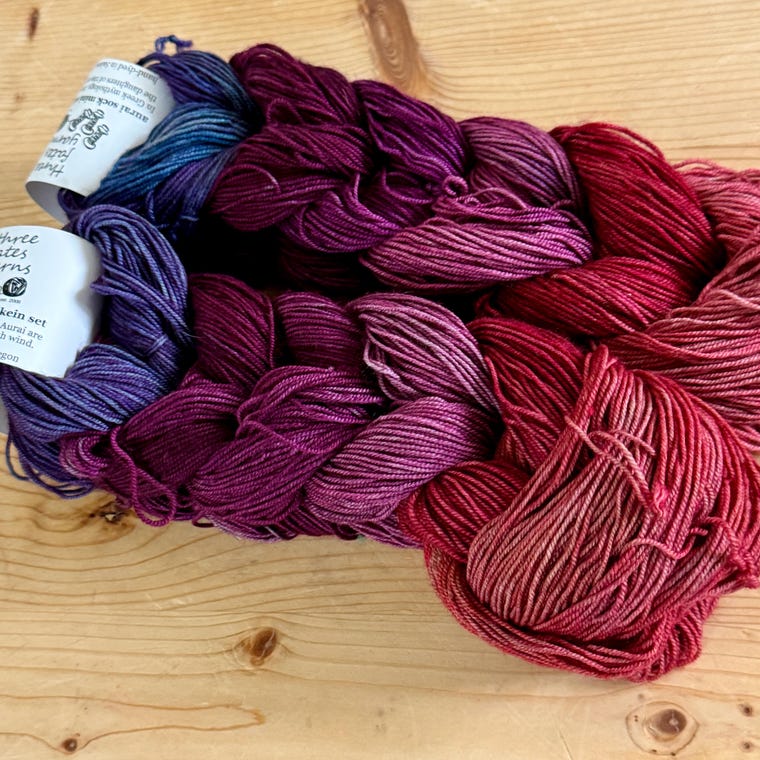
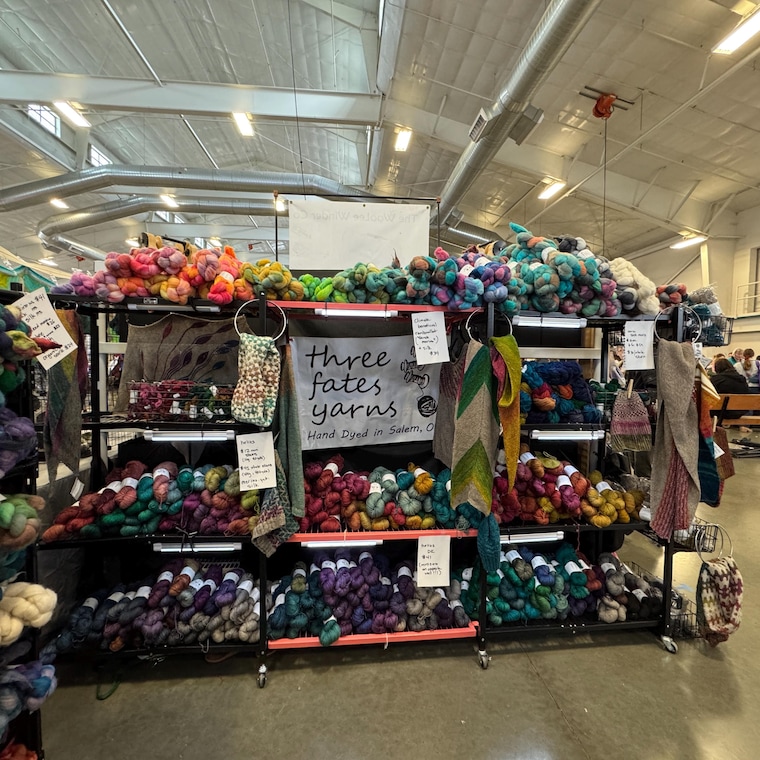
I’ve been hand-dyeing yarn and fiber since 2012 in my home in Salem, Oregon. I sell to some local shops and at a few craft shows each year, while working as a full-time sustainability analyst. I picked up hand-dyeing as a way to keep myself busy in the years when I didn’t have a full-time job and have found that it is great way to relieve some of the stress associated with the work that I do. Heavily influenced by a life-long obsession with color, I decided to explore the creation of the colors of the yarns I worked with and began playing with a yarn dyeing kit.
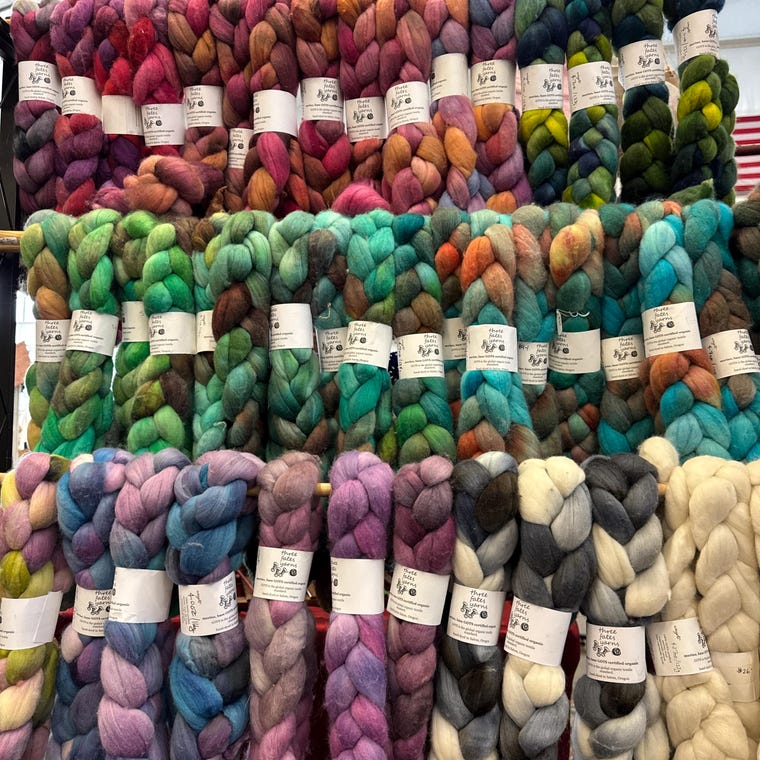
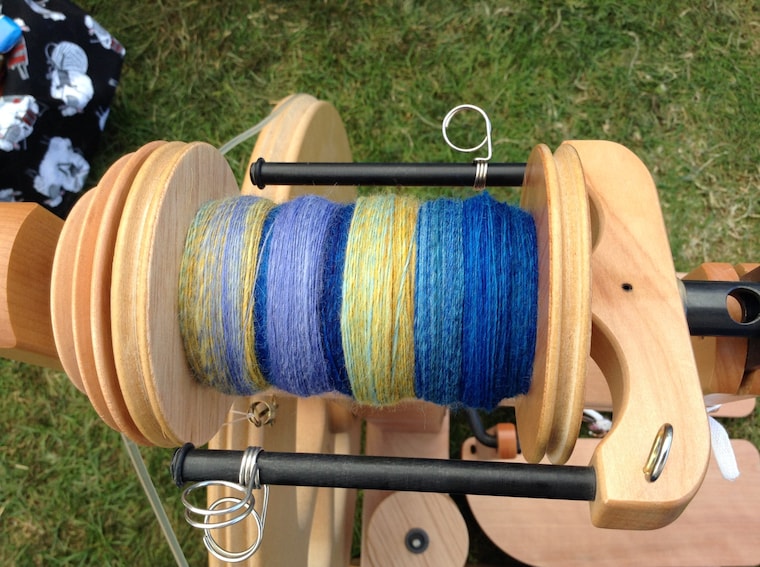
For hand spinners, there are a lot of great ecofriendly options and so I like to focus on fibers that are a little lighter on the planet like organic certified merino wool or carbon beneficial rambouillet. I also purchase wool from the Falkland Isles where the sheep are raised organically. I prefer yak as a sustainable alternative to cashmere.
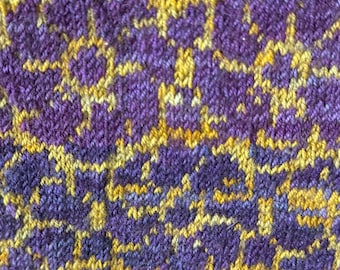
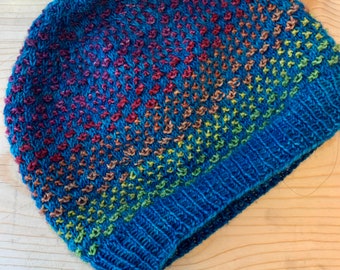
Over the years my customers have brought me immense satisfaction by showing me the projects they’ve made with my dyeing work.
The shop name comes from the Greek Goddesses also known as The Fates or the Moirae. They are Lachesis, Clotho and Atrophos and the closest thing I could think of to knitting goddesses in mythology. They are sometimes known as the spinner, the weaver and the cutter as they spin the thread of life, weave it into a tapestry and determine it's ending.
The three fates take on new life throughout literature; they can be found in the in the works of Homer, William Shakespeare, Phillip K. Dick, Barbara Kingsolver, and others.
