
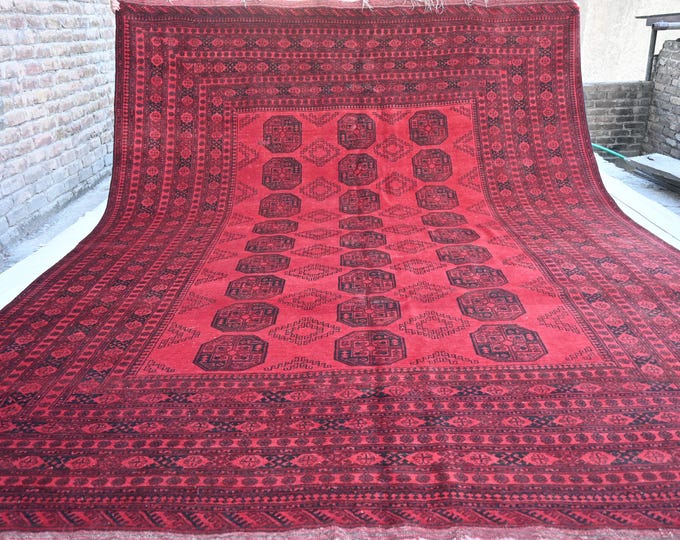
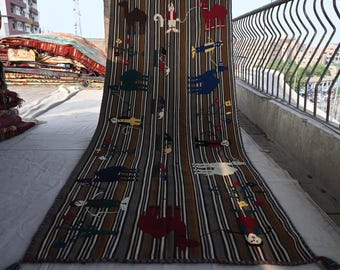
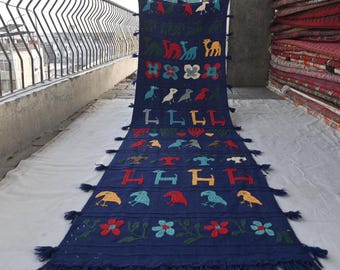
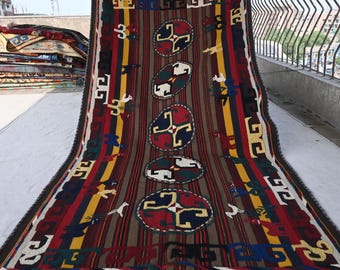






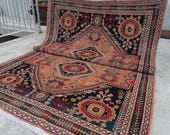
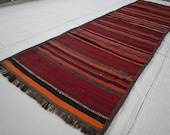
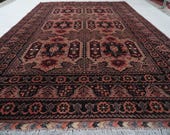
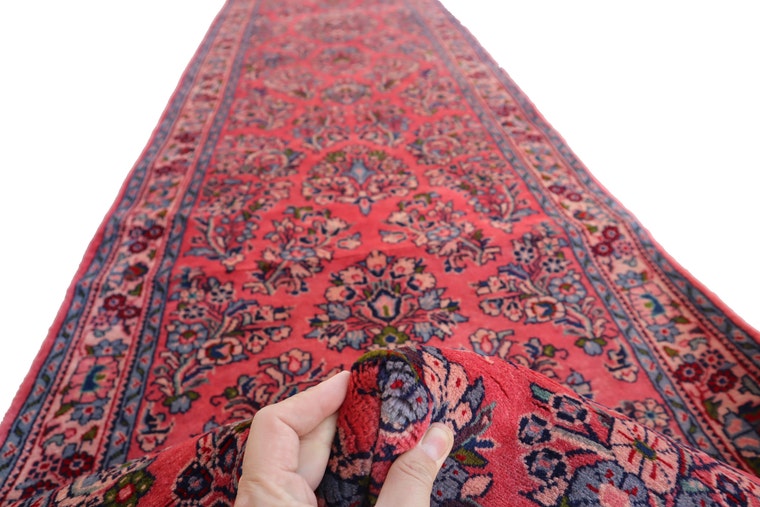
¿Quieres saber sobre alfombras? Por favor, lea mi historia gracias
Want to know about rugs Please read my story thanks
Antes de comenzar a presentarme, me gustaría compartir brevemente la historia del tejido de alfombras. Porque como verás, esta historia es la piedra angular de mi cultura.
Breve historia del tejido de alfombras *********************
Aunque nadie sabe con precisión cuándo y dónde comenzó la técnica del tejido, no hay duda de que el arte del tejido, en general, comenzó en Asia Central. Algunas de estas personas emigraron a partes occidentales de Asia con el tiempo. Estas tribus migratorias fueron llamadas "Yoruk" o tribus nómadas.
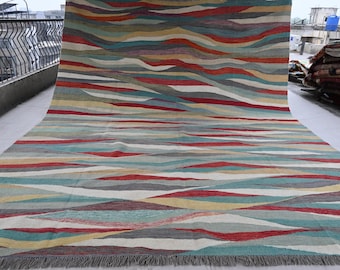
En las primeras etapas del arte del tejido, Yoruk aplicó la técnica del "tejido plano" y creó "kilims". Dado que esta era el área del paganismo, la mayoría de los diseños de tejido plano reflejaban representaciones estilizadas de los símbolos adorados.
Durante un período de tiempo, el arte del tejido mejoró y se inventaron nuevas técnicas. Como se mencionó, nadie sabe exactamente cuándo y dónde se tejieron las primeras alfombras de pelo anudadas; sin embargo, las alfombras de pelo más antiguas que sobreviven fueron descubiertas en la tumba de un príncipe escita en Siberia. La alfombra fue tejida con la "técnica de doble nudo turcomano" y ha sido datada con carbono en el siglo 5 aC, por lo tanto, aproximadamente 2500 años de antigüedad.
El estilo de vida nómada de Yoruk continuó incluso mientras el poder gobernante cambiaba con el tiempo. El arte del tejido fue introducido en Anatolia por el Imperio Selcuk hacia el final del siglo 11.
¡Atentamente!
Adán
*************************************************
*************************************************
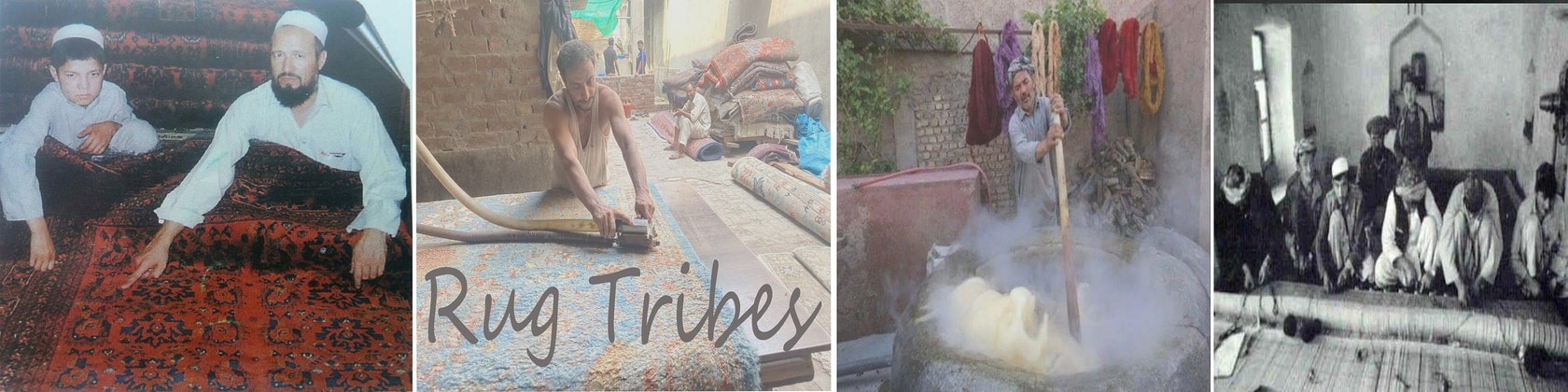
Mis antepasados también eran miembros de esta cultura nómada, Yoruks. Mi familia siempre estaba tejiendo alfombras hasta donde se sabe.
Nací en un pequeño pueblo de la provincia de Acha, como el miembro más joven de una pequeña familia. Mi padre siempre quiso que tuviera una educación superior, así que estudié Ingeniería Química en la universidad. Tuve éxito, pero el trabajo de mis sueños era diferente. Quería estar cerca de mi cultura y cerca de alfombras tejidas a mano. así que me uní a mi negocio familiar con mi padre.
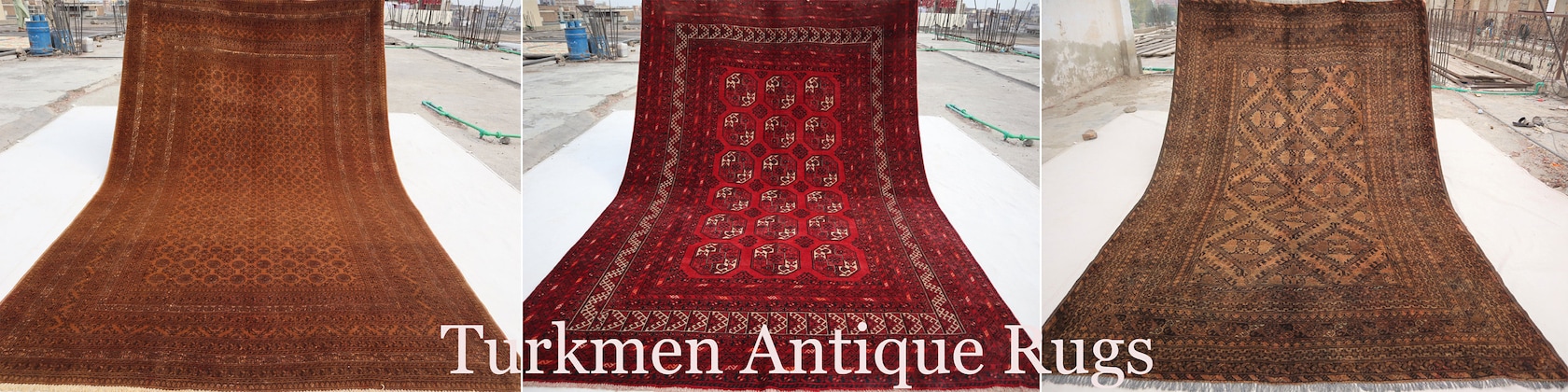
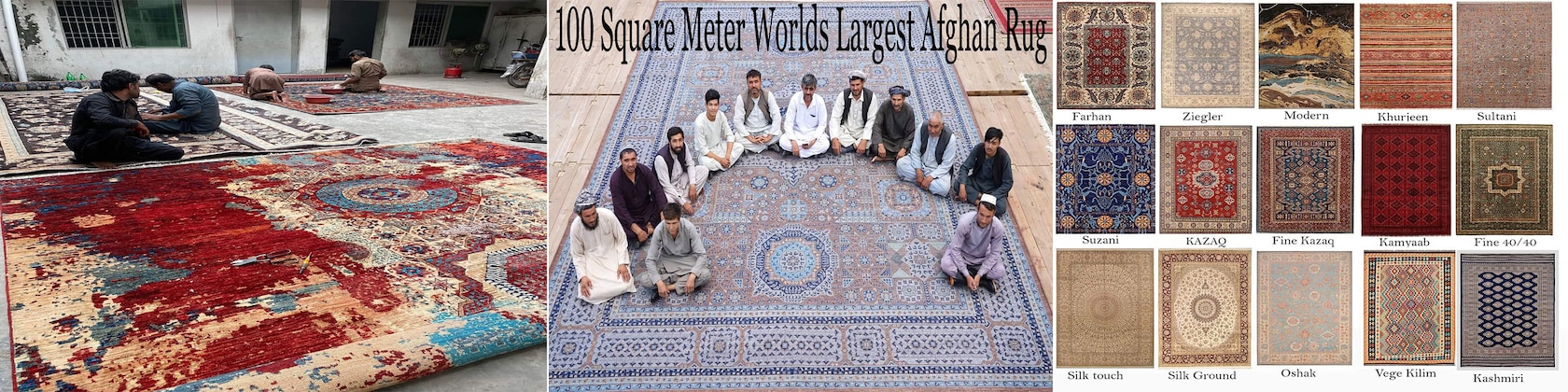
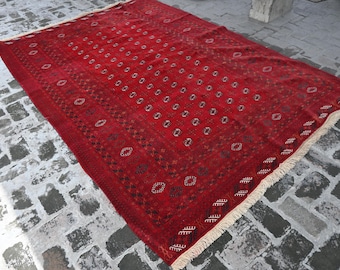
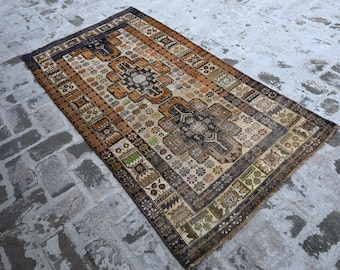
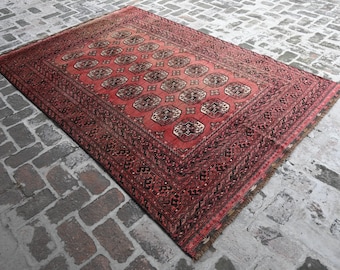
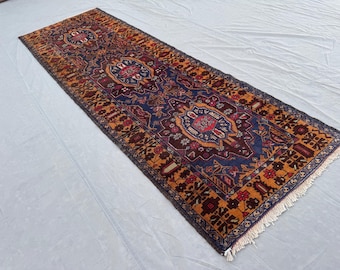
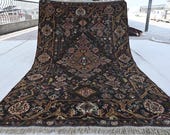
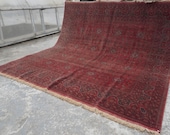
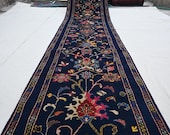
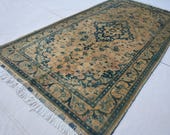
Hoy tengo una tienda de alfombras en Islamabad. He logrado recopilar un inventario único a lo largo del tiempo. Y ahora, estoy mostrando esas hermosas alfombras en Etsy.
Espero que mis alfombras únicas puedan encontrar un lugar en su hogar y que tenga la oportunidad de ver su verdadera belleza con sus propios ojos.
Gracias por su tiempo y por leer mi historia.
¡Atentamente!
Adán
Before I start to introduce myself, I'd like to share the history of rug weaving briefly. Because as you'll see, this history is the cornerstone of my culture.
**************** Brief History of Rug Weaving ******************
Although no one knows precisely when and where the technique of weaving first started, there is no doubt that the weaving art, in general, started in Central Asia. Some of these people immigrated to Western parts of Asia over time. These migrating tribes were called "Yoruk" or nomadic tribes.
In the early stages of weaving art, Yoruk applied the "flat weave" technique and created "kilims". Since this was the area of paganism, most flat weave designs reflected stylized depictions of the worshipped symbols.
Over a period of time, the art of weaving improved and new techniques were invented. As mentioned, no one knows exactly when and where the first knotted pile carpets were woven; however, the oldest surviving pile carpets were discovered in the grave of a Scythian prince in Siberia. The carpet was woven with the "Turkmen double knot technique" and has been carbon-dated to 5th century B.C., thus approximately 2500 years old.
The nomadic lifestyle of Yoruk continued even while the ruling power changed over time. The art of weaving was introduced to Anatolia by Selcuk Empire towards the end of the 11th century.
Kind Regards!
Adam
*************************************************
*************************************************
My ancestors were also members of this nomadic culture, Yoruks. My family was always weaving rugs as far as it's known.
I was born in a small village in Acha Province, as the youngest member of a small family. My father always wanted me to have a higher education, so I studied Chemical Engineering in college. I was successful but my dream job was different. I wanted to be around my culture and close to handwoven rugs. so I joined my family business with my father.
Today, I have a rug store in Islamabad. I've managed to collect a very unique inventory over time. And now, I'm displaying those lovely rugs on Etsy.
I hope my unique rugs can find a place in your home and you'll get the chance to see their true beauty with your own eyes.
Thanks for your time and reading my story.
Kind Regards!
Adam
